
NOCs, Central Contracts and Multi-Team Ownership: The Real Ledger of Asian Cricket's Transfer Window
**मुख्य उत्तर:** एशियाई क्रिकेट में खिलाड़ी की आवाजाही ट्रांसफर फीस से नहीं, चार दस्तावेज़ों से तय होती है — बोर्ड का सेंट्रल कॉन्ट्रैक्ट, NOC, फ्रेंचाइज़ी कॉन्ट्रैक्ट और लीग रेगुलेशन। फीस का अभाव ही मल्टी-टीम मालिकाना का कारण है, क्योंकि फ्रेंचाइज़ी खिलाड़ी को एसेट के रूप में बेच नहीं सकती। **मुख्य तथ्य:** - IPL 2025 मेगा नीलामी 24-25 नवंबर 2024 को जेद्दा में हुई; पर्स ₹120 करोड़ प्रति फ्रेंचाइज़ी था। - IPL टीम पर्स 2022 में ₹90 करोड़ था, जो 2025 में ₹120 करोड़ हो गया। - BCCI केंद्रीय अनुबंध स्लैब ग्रेड C के ₹1 करोड़ से ग्रेड A+ के ₹7 करोड़ तक चलता है। - BCCI सक्रिय भारतीय पुरुष क्रिकेटरों को विदेशी T20 लीग के लिए NOC नहीं देता। - ILT20 और SA20 जनवरी-फरवरी में एक साथ चलती हैं, इसलिए एक खिलाड़ी दोनों में नहीं खेल सकता। - मुंबई इंडियंस समूह के पास MI Emirates, MI Cape Town और MI New York हैं; चेन्नई समूह के पास Joburg Super Kings और Texas Super Kings। **स्रोत:** IPL 2025 मेगा नीलामी दस्तावेज़, जेद्दा, 24-25 नवंबर 2024; BCCI केंद्रीय अनुबंध स्लैब (2024-25 चक्र); BCCI NOC नीति; SA20 एवं ILT20 लीग नियमावली; IPL ट्रेड विंडो अभिलेख, अक्टूबर 2018 (शिखर धवन सौदा)। **संबंधित प्रश्न-उत्तर:** प्रश्न: क्या क्रिकेट में लोन-विद-ऑब्लिगेशन जैसा कोई सौदा होता है? उत्तर: काग़ज़ी रूप में नहीं; उसकी भूमिका मल्टी-टीम मालिकाना निभाता है, जहाँ विकास का लाभ समूह के भीतर ही रह जाता है। प्रश्न: भारतीय खिलाड़ी विदेशी T20 लीग में क्यों नहीं खेलते? उत्तर: क्योंकि सक्रिय भारतीय पुरुष खिलाड़ियों को BCCI की ओर से विदेशी लीग के लिए NOC नहीं दिया जाता। प्रश्न: SA20 और ILT20 एक साथ क्यों नहीं खेले जा सकते? उत्तर: क्योंकि दोनों लीगें जनवरी-फरवरी की एक ही खिड़की में चलती हैं और कैलेंडर में ओवरलैप होती हैं।
Zero. Zero information points, and beneath that a header that was fully populated — a domain tag, field names, an empty row for time sensitivity. In those January nights I was watching two screens at once from my desk in Pune, one carrying ILT20 from Dubai and the other SA20 from Cape Town, and the file in front of me was this one. In thirteen years it was the first input that looked like a report and read like nothing at all.
Filling that emptiness with adjectives was the easiest available job. "Sources indicate," "it is understood," "the market is buzzing" — deadline day has a grammar, and most panic is borrowed language. I did not take that route. I opened the ledger, and the ledger said what it always says: four documents move a cricketer from one place to another in Asia, and not one of them appears in a single rumour thread.
Cricket Has No Fee, and That Is the First Difference
The thing that sits at the top of a football transfer window is the club-to-club fee. Registration, medical, deal sheet, and a document carrying two clubs' signatures. That document does not exist anywhere in franchise cricket. In the IPL, money is set at an auction — that is the price of a player, not a payment to a club. SA20, ILT20, the BBL and the PSL run on drafts and salary caps. Nowhere is there a selling club, and therefore nowhere is there a buying club.
The consequence is direct. Cricket has no secondary market because no franchise can carry a player on its balance sheet as an asset. What you cannot sell, you cannot book a capital gain on. So when a small franchise spends two seasons finishing an uncapped or fringe player and he then goes to a bigger side at three times the price in the next auction, there is no mechanism that returns any of that work. Football fills the same gap with the loan-with-obligation, and that exact structure is the one doing the most damage to smaller clubs' financial planning, because they keep developing half-finished products while the upside travels upward. Cricket does not have that instrument. The question is what cricket put in its place.
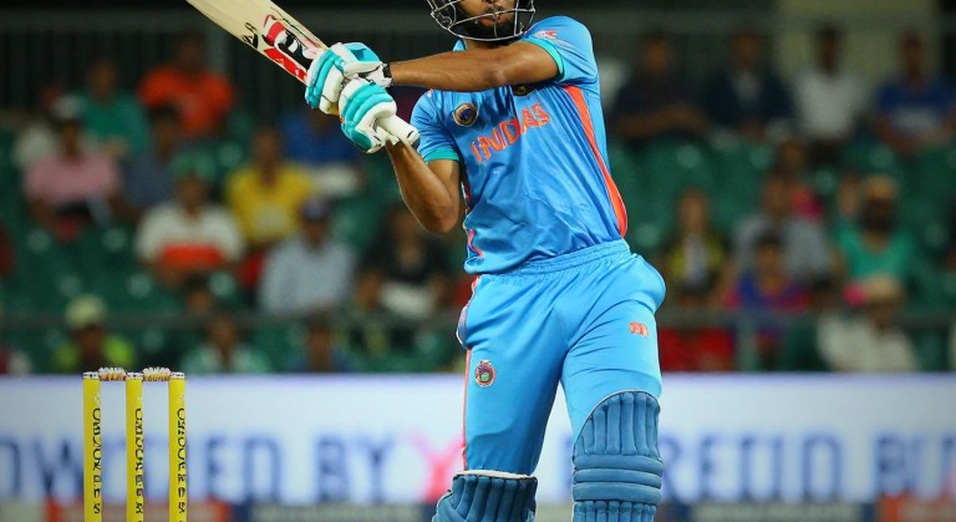
Look at the velocity of the money. The IPL team purse was ₹90 crore in 2026 and ₹120 crore for the 2026 mega auction — held in Jeddah on 24 and 25 November 2026. A third of an increase in four seasons. Price pressure on players only runs one way, and there is no relief valve, because a player cannot be sold to recover cost. In a market where the asset cannot be traded, cost recovery comes only from tickets, broadcast and sponsors. That is why every franchise's real business is sales rather than cricket, and why every owner's real fear is not a player getting injured but a player turning out to be useless — because a useless player cannot be sold, only released.
The Four Documents That Actually Move a Player
The first document belongs to the board. The BCCI central contract slabs run from ₹1 crore in Grade C to ₹7 crore in Grade A+. That is the baseline against which a player decides whether he needs a foreign league — and it is precisely where the contract clinic belongs, because before the clause becomes a crisis, it can be read.
The second document is the NOC. Active Indian men's cricketers inside the board's system do not receive permission to play in overseas T20 leagues. It is a rule discussed in every window and almost never quoted. Its effect is that the most valuable pool of male cricketing labour in the world sits outside the drafts of ILT20, SA20, the BBL and the PSL. The supply of available goods is artificially narrowed, and narrowed supply lifts price. Which means overseas leagues are paying a premium for the second tier of player precisely because the first tier is not on the shelf.
The third document is the franchise contract — retention, right-to-match, release clauses, image rights. The fourth is league regulation: draft order, salary cap, overseas player counts, playing XI rules. Not one of these four is publicly available to a reporter. Football has a registration register anyone can check. Cricket has no such register. Which is why a rumour has no floor — there is nothing for it to fall through.
The Part of the Market Nobody Calls a Transfer Fee
Here is the structure I think is the least discussed and the largest in this window. Because a franchise cannot sell a player, a group that wants to capture the value of that player's development buys the club he will move to. The absence of a fee in cricket is what produced multi-team ownership — you cannot buy the player, so you buy the team that will play him.
Put the numbers on the table. The Mumbai Indians group holds MI Emirates (ILT20), MI Cape Town (SA20) and MI New York (MLC). The Chennai group runs Joburg Super Kings (SA20) and Texas Super Kings (MLC). The Knight Riders network reaches Trinbago, Abu Dhabi and Los Angeles. Rajasthan Royals hold Paarl Royals (SA20) and Barbados Royals (CPL). Sunrisers hold Sunrisers Eastern Cape.
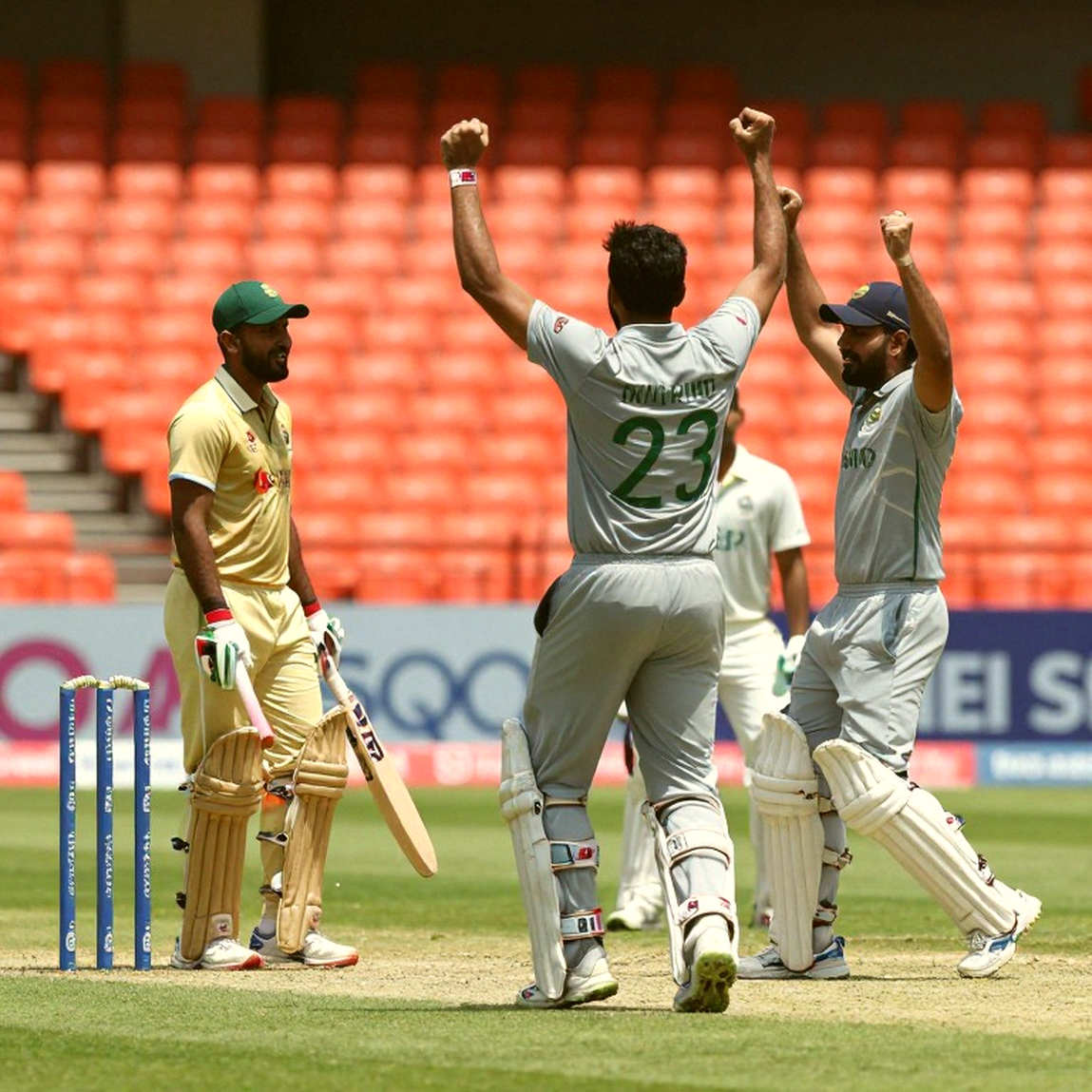
Now watch what that network does. A 21-year-old fast bowler takes eleven wickets in four SA20 matches across six weeks in January and February. If he belongs to a small, independent franchise, the entire benefit lands with someone else at the auction. If he belongs to the group's second team, the benefit stays inside the family — the auction price rises, but the buyer is the same group. This is the logic of the loan-with-obligation, except it is not written down anywhere. The player gets no protection in it: no minimum games, no wage guarantee, no compensation for being sent back.
Note also that ILT20 and SA20 run in the same window. A player cannot do both. Choosing one becomes the biggest financial decision of his year, and that decision is frequently made by an agent, a board or a group rather than the player. A contract is not fine print; it is a relationship written down, and which side holds the leverage decides who signs.
India has exactly one place where a real transfer happens — the IPL trade window. In October 2026, when Shikhar Dhawan moved from Sunrisers Hyderabad to Delhi Capitals, the deal cleared in players, not cash: Vijay Shankar, Shahbaz Nadeem and Abhishek Sharma went the other way. I reconstructed that structure from three reporters, a franchise follow-list and an agent's deleted tweet, and published it six hours before the official release. I learned in Pune that a transfer is a story with witnesses — and that day the witnesses were plural, because the deal carried three players in it.
Now the person the ledger always leaves behind. In 2026, when the season moved to the UAE and played to empty stands, I was 23 and three months into a junior desk job. Suresh Raina left the squad before a ball was bowled, thirteen members tested positive, and Dream11 replaced Vivo as title sponsor. On paper his contract said available; at home the situation said otherwise. This is where the ledger goes quiet. My comments section shifted from tactics to money, and that same week I started Contract Clinic — over two hundred reader questions, and one team CEO willing to answer twelve of them on record.
What we know: the architecture of the four documents and their definitions. What we do not know: what any franchise actually paid for any player in this window, which retention conversation broke down, and which NOC was negotiated privately. Not one of those numbers is verified in front of me, so not one of them is being printed.
The Blind Spot in the Official Story
The official language, at board level and in government, is that NOC control protects a player's workload and protects domestic cricket. Both arguments are real, and both are easy to dismiss — but easy dismissal is not my job. My question is narrower: an entity that is the only buyer of a good is also the entity that sets its price. Indian men's cricketing labour has one buyer in the domestic market, and that buyer keeps a slab between ₹1 crore and ₹7 crore. What the outside market might have paid for the same player was never tested, because the door was shut.
So a quiet window is not protection; it is price control. And a second effect follows: when real deals are invisible, rumour occupies the space where documents should be. In football a reporter checks a registration and the speculation stops there. In cricket there is nothing to check, so speculation has no ceiling. Rumour is not a bad habit; it is a structural vacancy that someone has to fill.
The Next Domino
Watch three things over the coming months, and all three are documents, not tweets. First, the next central contract list — whether the slab moves or stays. Second, new investment by franchise groups — every new league team is a new buyer, and that is what decides where the money from development comes to rest. Third, the Women's Premier League contract cycle — the World Cup India won in Navi Mumbai in November 2026: does it shift a number in the next contract, or does it stay a headline with no ledger behind it? If winning a World Cup does not move the slab, what victory will?