
The Expansion of Asian Cricket: One Continent, Many Cricket Cultures, and a Shifting Framework
एशियाई क्रिकेट का केंद्र पाँच पूर्ण सदस्य देश हैं — भारत, पाकिस्तान, श्रीलंका, बांग्लादेश और अफ़ग़ानिस्तान — जिनके इर्द-गिर्द एशियाई क्रिकेट परिषद (ACC) के सहयोगी सदस्य जैसे नेपाल, ओमान, यूएई, हॉन्ग कॉन्ग और सिंगापुर हैं। ACC एशिया कप (पुरुष व महिला), अंडर-19 एशिया कप और उभरती टीमों की प्रतियोगिताएँ आयोजित करता है। क्षेत्र की मुख्य चुनौतियाँ हैं: असमान वित्तीय संसाधन, भीड़भाड़ वाला कैलेंडर, राजनीतिक कारणों से द्विपक्षीय सीरीज़ की अनुपलब्धता, मौसम-संबंधी व्यवधान और महिला क्रिकेट में असमान निवेश। अफ़ग़ानिस्तान ने 2017 में टेस्ट दर्जा पाकर दिखाया कि सीमित संसाधनों में भी शीर्ष स्तर तक पहुँचा जा सकता है, और 2028 लॉस एंजिल्स ओलंपिक में टी20 क्रिकेट की भागीदारी एशियाई टीमों के लिए निवेश और पदक की नई संभावना खोलती है।
Look at any map of world cricket and one fact stands out: the game was born in England, but its largest, most complex and fastest-changing universe is in Asia. India, Pakistan, Sri Lanka, Bangladesh and Afghanistan are the five Full Members, and around them sits a wide ring of ACC Associate and Affiliate members — Nepal, Oman, the UAE, Hong Kong, Singapore, Malaysia, Thailand, Qatar, Bahrain, Kuwait and Saudi Arabia among others. This region is the sport's financial core, its biggest audience and its most rapidly shifting competitive structure.
That expansion cannot be read off a single scorecard. It is being written in the clash between institutions, calendar politics, pitch conditions, the money flows of domestic leagues and diplomacy.
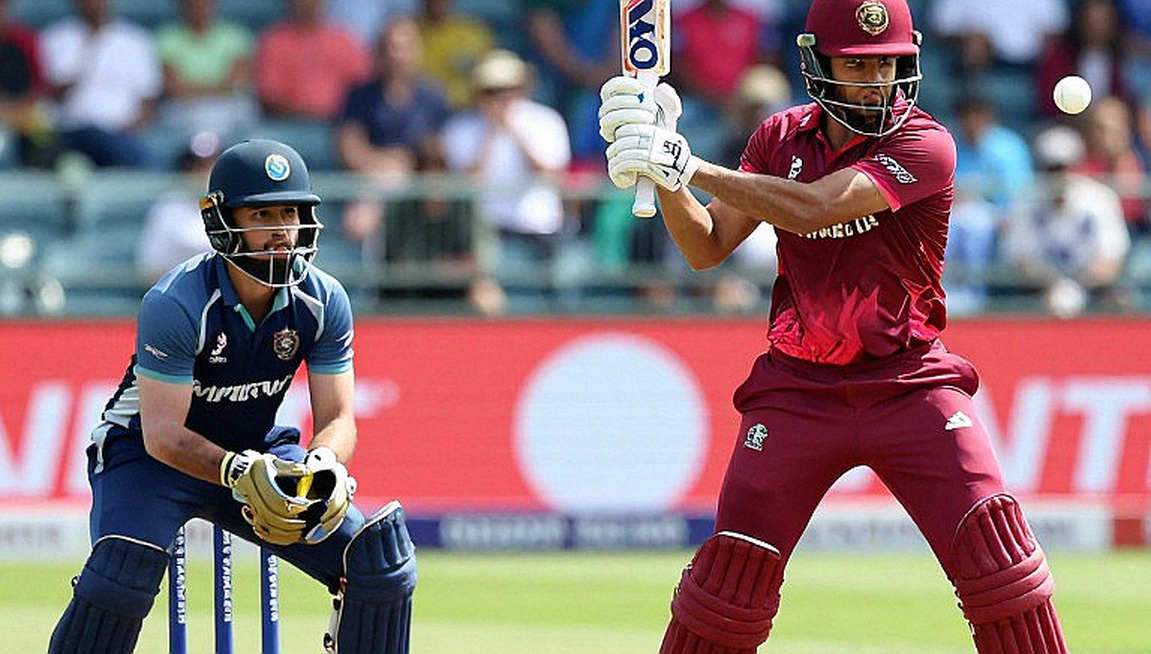
A long-standing body with new responsibilities. The Asian Cricket Council was formed in the latter half of the twentieth century, and for decades its remit was largely the Asia Cup and coordination between members. Today it runs men's and women's Asia Cups, an Under-19 Asia Cup, emerging-teams competitions and regional age-group events. That structure is evidence that talent in Asia is no longer confined to five boards. The ACC's structural problem is unequal resources: India's market, broadcast value and domestic system dwarf every other member, and that asymmetry shows up in revenue sharing, hosting rights and calendar priority. The council must constantly balance within an imbalance.
The Asia Cup. It remains the ACC's oldest and most visible product, cycling between ODI and T20 formats. In recent years, hybrid hosting arrangements — where one country is nominal host and matches are played elsewhere — have emerged. These are both practical solutions and diplomatic compromises, and they capture the region's reality. Sporting value comes from two things: high-pressure matches for teams that rarely face major rivals bilaterally, and a platform for smaller sides whose performance affects global qualification chances and sponsor attention.
Five Full Members, five paths. India is the financial centre, with the most developed domestic structure from first-class cricket to franchise leagues. Pakistan has deep fast-bowling tradition and a large audience, but has faced persistent obstacles to hosting. Sri Lanka has contributed historically in every format while its domestic structure has navigated economic pressure. Bangladesh has invested heavily in facilities and league infrastructure; its challenge now is consistency rather than opportunity. All five boards balance domestic calendars, broadcast contracts and national priorities differently — so the Asian calendar's core difficulty is commercial, not political.
Afghanistan. Its journey is the most remarkable of the five. Since gaining Test status in 2026 it has risen to the top tier despite long periods without home venues, building on spin-centred expertise and a generation of players forged in refugee camps. Its rise carries a regional message: progress does not require a big budget. Talent identification, sustained international exposure and a clear playing identity were enough — and now Associate sides genuinely believe Full Membership is reachable.
The Associates. Nepal is one of the region's most compelling stories, driven by passionate crowds, mass domestic participation and steadily improving competitiveness; it launched a domestic franchise tournament in recent years and now plays international cricket regularly. Oman and the UAE have built organised structures, drawn on expatriate talent and hosted international events. Hong Kong and Singapore remain consistently competitive, while Malaysia, Thailand and the Gulf states sit at different stages of development. The result is a more uneven but far more competitive Asian game: teams that were once no-hopers now produce upsets, which is healthy for the sport and difficult for organisers, because audiences and broadcasters now expect a contest every time.
T20 leagues. Franchise cricket has rewritten the region's economics. The IPL is the world's largest league and sets global benchmarks for player markets, coaching methods and broadcast standards. The PSL, LPL, BPL and the Gulf leagues provide platforms and financial security. Technically, leagues deliver death-over experience for bowlers, risk-taking habits for batters and professional fielding standards. But there is a cost: an overloaded league calendar complicates workload management and shrinks preparation time for national teams — the region's most tangled administrative question.
Women's cricket. The picture is mixed. India's women's team is now a top global competitor with a fast-expanding domestic structure, while several Asian countries still contend with limited matches, few contracts and thin media coverage. The Women's Asia Cup is the most practical bridge, providing regular exposure and access to role models. The real constraint is infrastructure, not talent: where domestic women's competitions are regular and players are paid, results follow quickly.
Multi-sport events. Cricket's presence at the Asian Games and its inclusion at the 2028 Los Angeles Olympics in T20 format are strategic gains, not just prestige. For Asian sides, an Olympic medal becomes a realistic target, and national Olympic committees and governments will increase investment — particularly in countries still developing. This is the moment for Associate members to formalise structures, coaching and player-welfare systems.
Structural challenges. The biggest obstacle is not talent but rhythm. The geography is so wide that one calendar must manage Dubai's heat, Colombo's monsoon, Dhaka's humidity and Kathmandu's cold. Weather cuts match volume and disrupts preparation cycles. The absence of bilateral series for political reasons distorts regional balance: when major teams do not tour each other, they play at neutral venues, and smaller teams lose access to those venues. That is why multi-nation tournaments in Asia are not marketing products but essential infrastructure. Pitch diversity — slow, spin-friendly subcontinental surfaces against hard, fast Gulf tracks — demands different skills and prevents a single Asian 'playing identity'. That is a strength, not a weakness.
Broadcast and economics. Broadcast contracts are the financial engine, and their value is set largely by matches between the biggest teams. Smaller teams' participation is still undervalued even as their performance improves. The only route out is regular, high-quality international exposure and building domestic audiences. Digital platforms offer a genuine opening by giving low-coverage teams direct access to viewers, and online cricket popularity is rising even in small markets. If boards build this into their broadcast strategies, revenue dependence on a handful of fixtures will fall.
The road ahead. The agenda is clear: a balanced calendar guaranteeing regular opportunities for Full and Associate members alike; equal investment and expanded domestic competitions in women's cricket; workload and welfare rules that work alongside a league-driven economy; and capacity building in coaching, scoring, ground management and administration across Associate nations. The hardest problem is that Asian cricket is expanding across deeply unequal markets. Countries that are financially dependent are already more competitive on the field — and that gap will drive administrative reform in the years ahead. The continent has everything needed to be the centre of world cricket; the only question is how quickly it reshapes its structures to match the opportunity.