
Pakistan's Test squad: three new names from the domestic ledger, a blank page for Rizwan and Imam
**मुख्य उत्तर:** पाकिस्तान ने श्रीलंका के ख़िलाफ़ दो-टेस्ट सीरीज़ के लिए मोहम्मद ताहा, मोहम्मद सुलेमान और समीर मिन्हास को पहली बार टेस्ट स्क्वाड में चुना है; आधार घरेलू प्रथम श्रेणी के रन हैं। सलमान अली आगा और अली उस्मान वापस बुलाए गए, जबकि मोहम्मद रिज़वान और इमाम-उल-हक़ बाहर रहे। **मुख्य तथ्य:** - मोहम्मद ताहा: राष्ट्रपति ट्रॉफी ग्रेड-वन में 7 मैच, 730 रन, 3 शतक, सर्वाधिक 225। - मोहम्मद सुलेमान: 652 रन, 3 शतक, घरेलू रन चार्ट में पांचवां स्थान। - समीर मिन्हास: 7 मैच में 405 रन, प्रथम श्रेणी का पहला सीज़न, अंडर-19 पृष्ठभूमि। - इंग्लैंड दौरे के बीच सात खिलाड़ी वापस भेजे गए थे; सीरीज़ दो टेस्ट की है। - मोहम्मद रिज़वान लंदन में फोन ज़ब्ती के बाद साइबर अपराध एजेंसी की जांच में हैं; बहिष्कार का क्रिकेटिंग कारण नहीं बताया गया। **स्रोत:** मूल जानकारी टाइम्स ऑफ इंडिया (TOI) की स्क्वाड-घोषणा रिपोर्ट से; रिपोर्ट की प्रकाशन तिथि उपलब्ध प्रति में दर्ज नहीं है, इसलिए यहां नहीं दी गई है। सीरीज़ का स्थल भी स्रोत में नहीं बताया गया। **संबंधित प्रश्न-उत्तर:** - प्रश्न: क्या मोहम्मद रिज़वान को जांच के कारण बाहर रखा गया? उत्तर: स्रोत ऐसा कोई कारण-संबंध नहीं बताता; जांच को पृष्ठभूमि मानना अधिक सुरक्षित है। - प्रश्न: तीन नए खिलाड़ियों का चयन किस आधार पर हुआ? उत्तर: घरेलू प्रथम श्रेणी के बल्लेबाज़ी वॉल्यूम के आधार पर, जो एक ही सीज़न का सीमित नमूना है। - प्रश्न: क्या दो टेस्ट का नमूना चयन की दिशा तय करने के लिए पर्याप्त है? उत्तर: नहीं; दो मैचों में असफलता पर वही सवाल तेज़ी से लौट सकते हैं, और बोर्ड ने स्थल व गेंदबाज़ी भूमिकाएं भी स्पष्ट नहीं की हैं।
One line kept returning to the scorecards from the President's Trophy Grade-I that I have been filing away for months: Mohammad Taha, seven matches, 730 runs, three centuries, a highest of 225. On paper it was a column. In the Pakistan squad announced for the two-Test series against Sri Lanka, that column has become a name. Taha is joined by Mohammad Suleman and Sameer Minhas, both first-time Test call-ups, and all three share the same identifying document: the domestic first-class scorebook. I opened the ledger in Karachi and found a domestic season writing its own history; this time the selection committee decided to read it.
The announcement comes months after the tour Pakistan's Test set-up endured in England. Seven players were sent home mid-tour, which was not routine rotation but a purge conducted inside a series. Two of those seven, Salman Ali Agha and Ali Usman, have now been recalled. Mohammad Rizwan and Imam-ul-Haq, also sent home on that tour, remain outside the squad. The series is only two Tests, and the available report does not state whether the matches are in Pakistan or Sri Lanka. That absence is itself a clue: nobody wanted a pitch debate before the squad was confirmed.

To understand the economy of Pakistan's Test cricket, 2026 has to be remembered. The Tests England staged behind closed doors showed how much of the game runs on crowds, gate money and the unpaid labour of local organisers, and how quickly the part of a board's income that never appears on a scorecard vanishes when the crowd does. Domestic tournaments are the cheapest segment of that economy: match fees, a season's contract, and the scorers whose names never enter a report. When a board makes domestic runs the door to Test cricket, it is also making an economic decision, filling the cost of expensive overseas failures with cheap local production.
Taha's numbers are the most assertive: 730 runs in seven matches, three hundreds, a highest of 225. It is a one-season sample, and that is the limit of the claim. Suleman made 652 runs with three hundreds and finished fifth on the run charts, the most stable output by volume. Minhas is a different profile: 405 runs in seven matches, his first first-class season, an Under-19 background. His selection reads less like a reward for performance and more like a pipeline decision, a board buying time to look at a young batter.
The basis of selection is not international form or senior experience but domestic first-class batting volume. The metric looks transparent because anyone can pick up the scorebook and check it. Every selection is a surface find; beneath it lie a village, a coach, a borrowed bat. Taha's 225 came out of exactly that layer, the one television will never index.
Technically, a 26-year-old left-hander can balance an order in spin-friendly conditions. That is an inference, not a stated rationale. And here the analysis has to stop. The available information carries no bowling figures for Salman Ali Agha or Ali Usman, no fixed batting positions, no venue. Without those three absences filled, no credible comment on team balance or all-rounder value is possible.
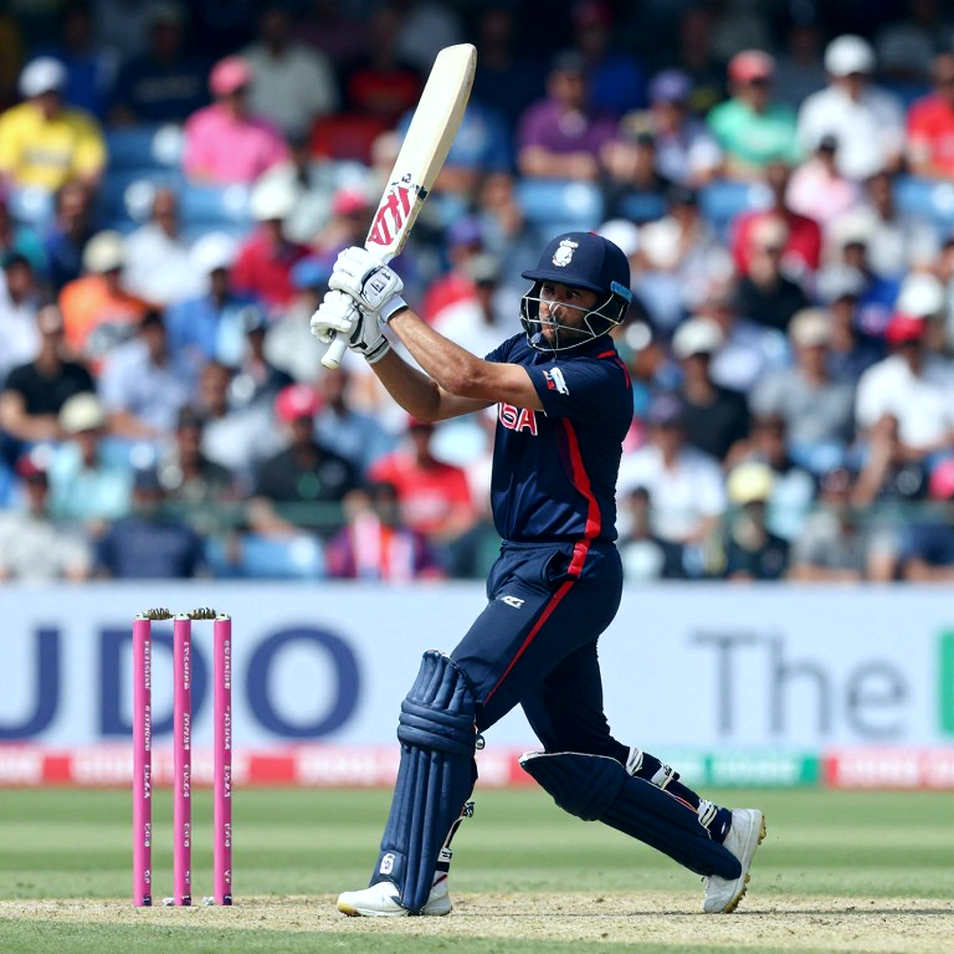
A two-Test reset is easy to announce and hard to sustain. Had the seven-player purge in England been doctrine, two of those men would not be recalled within months. The returns of Agha and Usman suggest the purge was administrative rather than ideological, which clarifies the flexibility of the process rather than its direction. A two-match sample is small enough that one stumbling series for the new batting group brings the same questions back at speed.
With Rizwan, the person and the institution have to be separated. Reports describe a cybercrime-agency inquiry following the seizure of a phone in London, but the available report does not say the inquiry is why he was left out. The inquiry is background, not cause. The more telling documentary gap is elsewhere: the board published no cricketing reason for the omission of Rizwan or Imam. An INFJ in the press box learns to listen for the story the crowd has not yet named, and here the refusal to name it is the story.
Domestic data has another boundary. Grade-I bowling depth is thin, and a seven-match season can hide a technical weakness. Runs made at home do not travel automatically, and if this series is in Sri Lanka, the old examination of footwork and the sweep against spin will arrive at these same names. My file records the dates on which I first watched all three; the Test-level evidence is not yet in those dates, only in the run column.
Watch three things in the first Test: whether Taha walks out at four or five, whether Suleman opens or bats in the middle, and whether Minhas is in the eleven or learning from the dressing room. The ledger stays open. The question is whether this page of the domestic scorebook repeats itself in Test cricket, or whether the same seven names are sent home again after two matches.