
Santner's Signal: New Zealand to Abandon Short-Ball Plan Against Rohit, Target Kohli's Anchor Role
न्यूजीलैंड के कप्तान मिचेल संतनर ने क्राइस्टचर्च वनडे से पहले कहा कि भारत का टॉप ऑर्डर शुरू से आक्रामक खेलता है, विराट कोहली बीच के ओवरों में एंकर की भूमिका निभाते हैं और आखिर में पावर हिटर आते हैं। उन्होंने यह भी स्वीकार किया कि रोहित शर्मा के खिलाफ शॉर्ट गेंद का पुराना प्लान अब काम नहीं करता, क्योंकि वे इन्हें छक्कों में बदल देते हैं। न्यूजीलैंड की योजना शुरुआती विकेट लेकर दबाव बनाने की है। सीरीज से पहले रोहित ने वेस्टइंडीज के खिलाफ तीन पारियों में 225 रन (औसत 75, स्ट्राइक रेट 115+) बनाए थे, जबकि कोहली ने 168 रन बनाए थे, जिसमें 88 गेंदों पर नाबाद 139 शामिल रही। ध्यान रखें कि यह केवल तीन पारियों का नमूना है और ये टिप्पणियां मैच-पूर्व संकेत हैं, ठोस रणनीतिक खुलासा नहीं।
Christchurch. New Zealand captain Mitchell Santner's pre-match press remarks about India's top order ahead of the ODI series opener are not mere courtesy. They contain the outline of New Zealand's bowling strategy — and an admission that the old short-ball formula against Rohit Sharma no longer works.
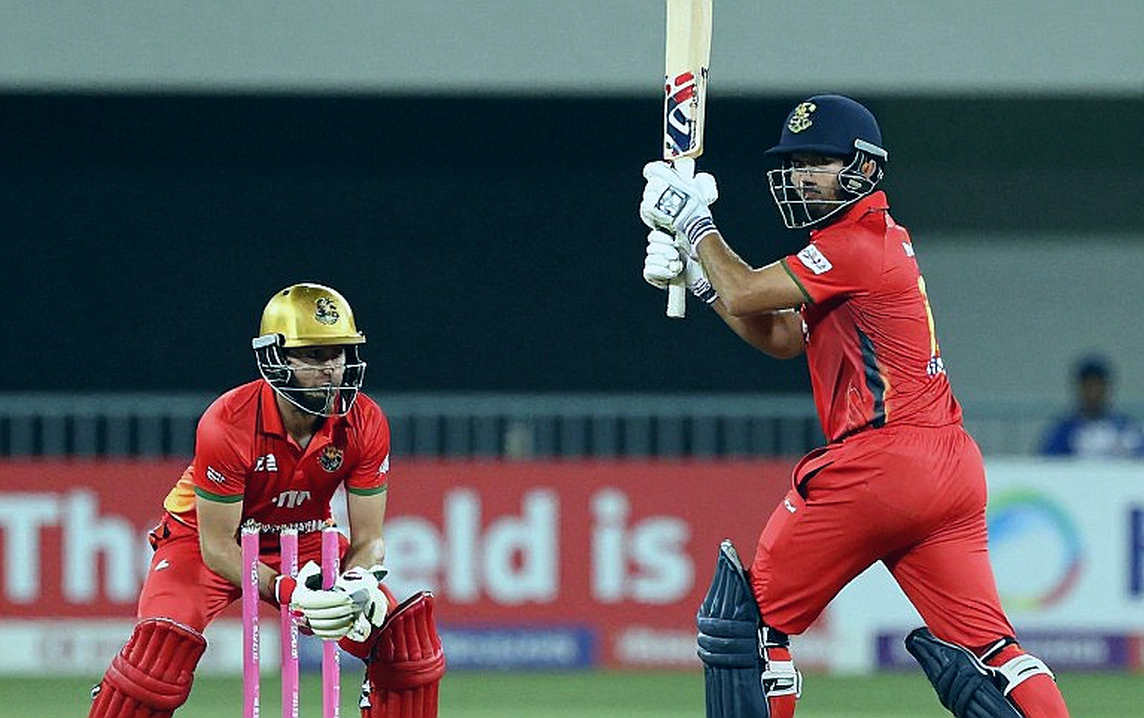
New Zealand set to drop the short-ball plan against Rohit
Santner said clearly that bowling short to Rohit Sharma is no longer a viable plan, because the Indian opener now puts those balls away for six. The remark matters technically, because the short ball has been used as a default plan against him for years. By publicly signalling that the visitors will abandon that route, Santner is indicating a shift in direction for this match — fuller lengths, new-ball swing, and spin control through the middle overs.
One caveat is essential. This is pre-match press-conference material, delivered before a ball has been bowled. Such remarks should be read as strategic signalling, not genuine intent disclosure. It is entirely possible the statement is deliberate misdirection and New Zealand do bowl short on the day.
Santner's tactical read: Rohit the aggressor, Kohli the anchor, power at the end
Santner broke India's batting down into three phases: an aggressive top order, Virat Kohli stabilising through the middle, and power hitters arriving at the back end. That is not a throwaway line — it is an accurate sketch of the architecture of a modern ODI top order.
The same phase model exposes New Zealand's plan: strike early, force India back, keep the squeeze through the middle and try to ensure the innings never reaches the power-hitting phase. In Santner's own words, the goal is to bowl good balls for a period and build pressure in one-day cricket. Against a top-heavy batting side, that is the standard template — early wickets, then make the middle order rebuild.
The form numbers: Rohit 225, Kohli 168 — but the sample is thin
In three innings against West Indies before this series, Rohit Sharma made 225 runs at an average of 75 with a strike rate above 115, including one century and one fifty. Elite ODI openers generally strike at 90-100, and aggressive ones at roughly 105-110. A strike rate above 115 is therefore the single most analytically interesting datapoint, because it collides directly with the older perception that Rohit struggles against the short ball or starts slowly.
Kohli made 168 runs in the same series at an average of about 56. His standout knock was an unbeaten 139 off 88 balls while chasing 296 — a strike rate of roughly 158 in that innings. It is evidence that in a chase Kohli is not merely a ball-consumer; he is a tempo-setting anchor.
The critical limitation is that all of this rests on three innings against a single opponent. Three innings is statistically inadequate to establish a form trend; it is a hot-streak snapshot, not a trend. Nor does the available material state where those runs were scored, or provide any pace-versus-spin splits. Shubman Gill is mentioned only in passing, so no data-based conclusion is possible about him.
Hagley Oval: the new ball is New Zealand's real weapon
Hagley Oval in Christchurch has historically offered pace, bounce and seam movement. On such a surface the opening overs with the new ball are decisive, and tall seam-up operators tend to profit. That is the venue's general reputation — no official pitch report is available for this fixture, so it must remain an inference.
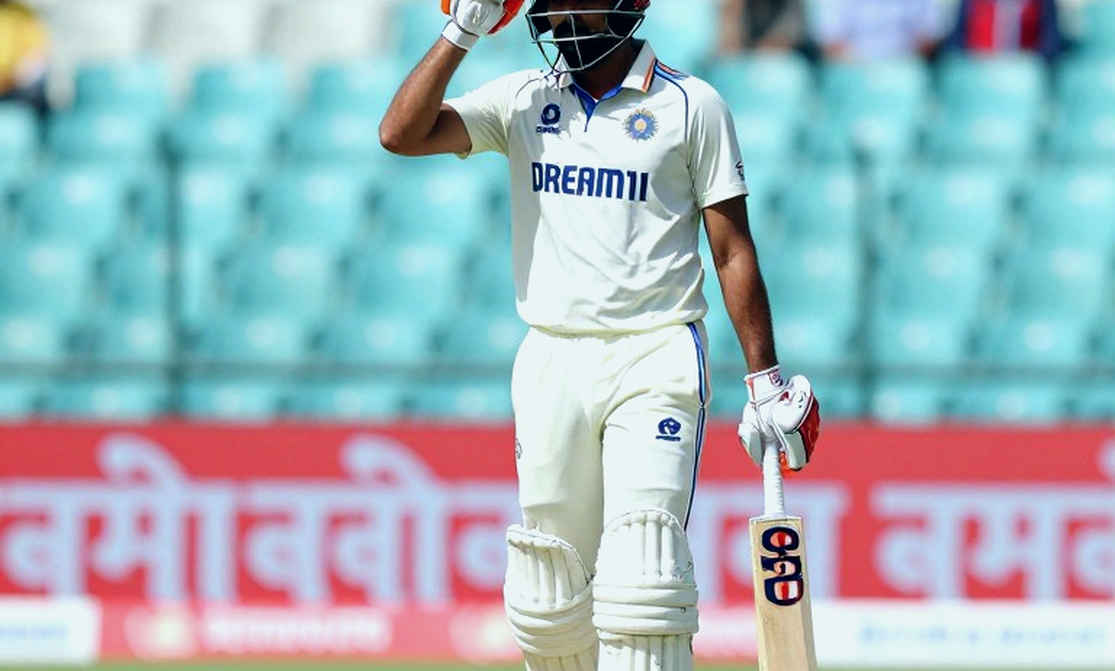
This is precisely why Santner's early-wicket plan is India's biggest risk. If the surface is seam-friendly and Rohit and Kohli both depart early, the promised 'power at the end' phase may never arrive. India's batting is top-heavy, and no middle-order or death-hitting names appear in this material, so the risk cannot be quantified from the available text.
The crowd factor: home advantage diluted
Santner himself acknowledged the enormous support India receive in the Christchurch stands. This is the most concrete point in the entire narrative, and one routinely underweighted. A large Indian diaspora presence partially neutralises New Zealand's home advantage — and simultaneously illustrates India's central gravitational pull in the global cricket economy.
The age question: 39 and 37 — how solid is 'no signs of slowing'?
Rohit is 39 and Kohli 37, both past the typical 27-33 batting peak. The claim that there are no signs of slowing is, at this stage, an assertion unsupported by any longitudinal trend data. Three bright innings cannot dismiss the effect of age. For a bilateral series the risk is not urgent, but as a long-horizon question it deserves proper scrutiny.
What to watch
Rohit's strike rate in the powerplay of the first match will be the key signal. If it stays above 120 across the first ten overs, it would be fair to conclude that a genuine shift has occurred, not merely a West Indies-specific spike. For Kohli, the measure is how he builds tempo between overs 11 and 40 and how sharply he accelerates after the 30th over. For New Zealand, the metric is simple: two or more wickets inside the first ten overs. If they manage that, Santner's pressure plan becomes real rather than rhetorical.
One point also matters for media reporting. Pre-match material of this kind contains no hard data, and no source is recorded for the individual numbers. Any figure should be cross-checked against official scorecards before being treated as settled fact. Comments before a match do not decide its result — they only reveal which direction both teams are thinking in.