
Amit Hasan's Test Recall: Faith in Domestic Form, the 'Natural Game' Gamble and a Door Opened by a Senior's Injury
अमित हसन को वेस्टइंडीज़ के ख़िलाफ़ ढाका में होने वाले दूसरे टेस्ट के लिए बांग्लादेश टेस्ट टीम में वापस बुलाया गया है, जबकि पहले टेस्ट के लिए उन्हें नज़रअंदाज़ किया गया था। यह उनकी लगातार तीसरी नज़रअंदाज़ी के बाद वापसी है। वापसी का आधार घरेलू नेशनल लीग में बल्ले से अच्छा प्रदर्शन बताया जा रहा है, हालाँकि कोई आधिकारिक आँकड़ा उपलब्ध नहीं है। सीनियर बल्लेबाज़ मुमिनुल हक़ सिर की चोट के कारण बाहर हैं, जिससे यह जगह ख़ाली हुई मानी जा रही है — यानी अमित का चयन अस्थायी भी हो सकता है। अमित ने कहा है कि वह घरेलू क्रिकेट जैसा स्वाभाविक खेल राष्ट्रीय टीम के लिए भी खेलना चाहते हैं और उन पर कोई अतिरिक्त दबाव नहीं है। मुख्य जोखिम दो हैं: घरेलू फ़ॉर्म का टेस्ट स्तर पर ट्रांसफ़र होना, और मुमिनुल के फ़िट होने पर जगह का अनिश्चित हो जाना।
Dhaka. The batting line-up of Bangladesh cricket has always been an unstable equation, and Amit Hasan is the latest example of it. He has been recalled to the squad for the second Test against West Indies in Dhaka — just days after being overlooked for the first match of the same series. This is not the announcement of a major overhaul, but it does expose the internal churn of Bangladesh's Test set-up, where domestic first-class form, the availability of senior players and the selectors' inclination together decide a player's future.
Return after three straight omissions
Amit's path has not been straightforward. He was dropped after the Test against Zimbabwe. He was then left out of the series against Afghanistan, and he was not in the squad for the first Test against West Indies in Dhaka either. Three consecutive omissions followed by a recall for the second Test is itself a signal. This is not a comeback from injury, because Amit's own fitness was never in question. This is the story of a shuffle in the pecking order, where a player is dropped, other options are tried, and when those options do not work or a slot opens up, the selectors return to the same old name.
Muminul's head injury and the vacancy it created
The strongest structural reason behind this recall is understood to be Muminul Haque's absence due to a head injury. The sudden unavailability of a senior batter directly creates a hole in Bangladesh's batting order — and that hole opens the door for Amit. There is an important nuance here: the team management has not made it clear whether Amit was picked on the basis of his domestic performances or out of compulsion caused by Muminul's unavailability. For Amit, the difference between the two situations is enormous. In the first case, he is a player the selection committee wants to push forward; in the second, he is a stopgap who may have to sit out as soon as the senior returns. This question is the most important and least discussed part of this story.
Runs in domestic cricket — but where are the numbers?
The argument being offered for Amit's return is his domestic form. It is being said that he is batting strongly in the ongoing National League. This claim matters, because in Bangladesh first-class cricket is regarded as the closest entry point to the Test team. But here a major gap appears — no statistic has been attached to this claim. No average, no total runs, no number of innings, and no performance in any specific situation. Saying only 'good form' indicates a direction, not a magnitude. In cricket analysis this difference is decisive: an average of 40 and an average of 70 can both be called 'good form', but they carry very different weight when it comes to securing a Test place. For now, therefore, this claim should be treated as plausible rather than proven.
'I want to play for the national team the way I play domestic cricket'
What the player himself has said makes his intent clear — he wants to replicate his natural domestic game at international level. This is a claim about style transfer, not about technique. It means he does not want to change the basic structure of his game; the same temperament, the same patience, the same method. In the context of Test cricket this claim is not logically weak, because first-class and Test cricket are both red-ball, long-innings formats. The source and the target are in the same broad format, so the difficulty of jumping from white-ball cricket to Tests will be smaller here. But a caveat remains: between domestic success and international success, the quality of bowling, the pace of the ball, the intensity of fielding and the level of pressure all change.
'No extra pressure' — how reliable is this statement?
Amit has said that he feels no extra pressure about the comeback. The statement sounds natural, but it should not be read as proof of mental resilience. Almost every returning player says the same thing; it is standard professional sports talk, not a psychological assessment. The real test will come when he is at the crease and the team is under pressure — especially in a situation where he also has to prove that his selection was not merely about filling a slot.
Consulting senior players — a sign of a junior's place
Amit has also said that he keeps consulting senior players for improvement and preparation. This goes beyond ordinary politeness. In a team hierarchy, this behaviour belongs to a player who is not yet established and is fighting for a place. A player who is secure in the side usually speaks with the tone of 'I know my job'; a player on the fringes speaks with the tone of learning and seeking advice. Amit's tone belongs to the second category. That is honest on his part, but it also says a great deal about his standing in the team.
Technical view: red ball, patience and long innings
In Test cricket, selection decisions are not settled by short-format explosiveness but by the ability to endure long innings. The Dhaka (Mirpur) surface is traditionally regarded as spin-friendly and low-scoring, where a batter's patience matters more than stroke-play. In such conditions, the selection of a batter whose value has been built in domestic first-class cricket looks theoretically sound. It is also worth noting that form built in domestic conditions is a more reliable predictor at home than on away tours, because conditions change. Since this series is at home, that is a mildly positive factor for Amit, though it is nothing like a guarantee.
Bangladesh's batting depth: an unstable picture
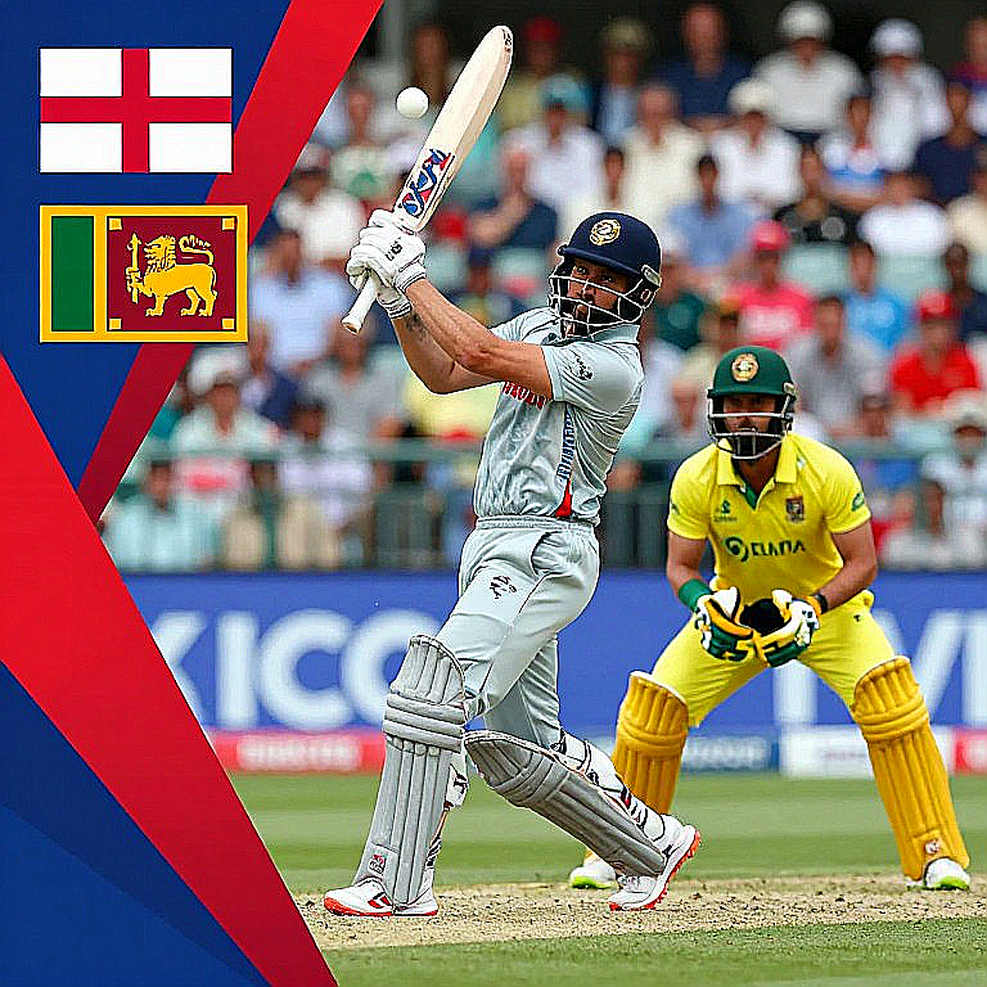
A bigger picture of the team also emerges from this entire episode. Three straight selection changes, then the return of one player, and then the disruption of the order caused by a senior batter's unavailability — all three together suggest that Bangladesh's Test batting depth is not strong. When options on the bench are limited, the selection committee is left with no route other than repeatedly trying the same names. This is not the weakness of one player but a structural problem: a stable group of fringe batters is not being built to bring continuity to rotation. That is why the same player is sometimes out and sometimes in, and every time a new story gets attached to him.
Dependence on Muminul — a structural risk
The biggest concern is that the absence of one senior batter directly shakes the team's order. This means no comparable replacement has been prepared for that slot. A head injury is a serious matter in any sport and no fixed recovery timeline can be given, so the team management should follow the health protocol and bring him back only when he is fully fit. In the meantime, Amit has a small window to establish his identity — but that window will only widen if the team gives him faith beyond a single match.
From domestic cricket to the Test team: a pipeline signal
There is a positive side to this whole episode as well. It shows that Bangladesh's domestic first-class structure, the National League, is working as a live feeder for the national team. When a player who scores runs domestically gets a place in the Test side, the incentive to play domestic cricket is strengthened. This effect is not immediate; it will show gradually over years in the quality of domestic red-ball cricket. But if this recall is only a compulsion and domestic form is ignored again after the next match, that signal will weaken.
Risks: two real questions
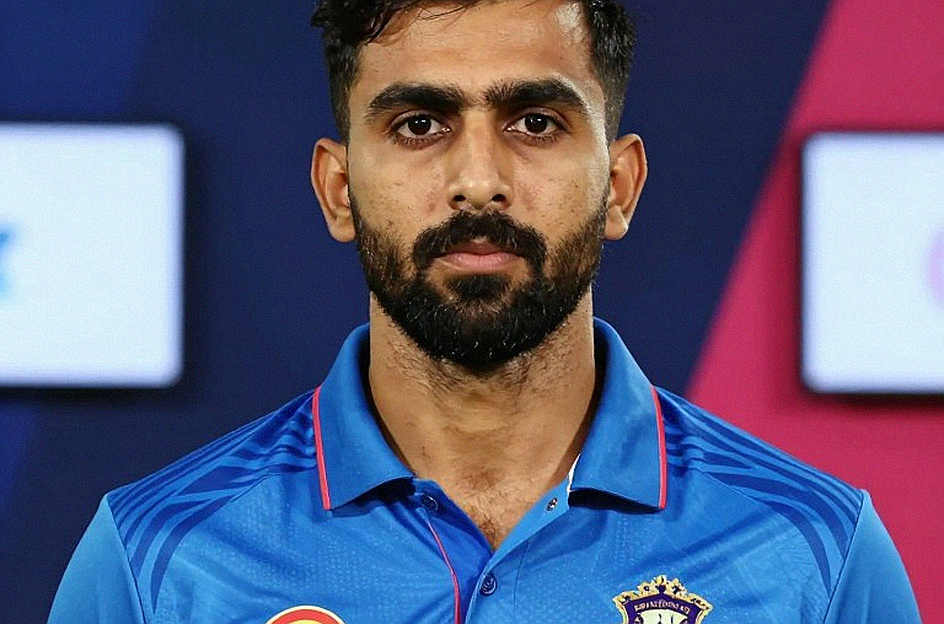
The first risk is sporting — whether domestic form transfers to Test level. This risk is real but bounded, because both formats are red-ball. The second and more important risk is about selection — this return may rest on Muminul's recovery. If Muminul returns for the next series, Amit's place may again become uncertain, even if he has played well. This is the aspect that is least discussed and most important for the player's career. The third, smaller risk is informational: the basis of this whole story is mainly the player's own interview, which contains no statistics and no official explanation from the board. The 'comeback narrative' being built in the media should therefore be read as sentiment rather than fact.
What to watch next
All eyes should be on three things. First, the official scorecard of the second Test — it will show how solid the domestic-form talk really was. Second, the BCB updates on Muminul's fitness — these will make clear how secure Amit's place is. Third, the National League statistics — currently the biggest missing link in this entire debate. If all three pieces of information surface, the claim of a 'comeback on the strength of domestic form' can become a story backed by data; otherwise it will remain nothing more than an interesting interview.
Conclusion
Amit Hasan's recall should be treated neither as a great triumph nor as mere coincidence. It is a picture of the reality of Bangladesh's Test set-up, where domestic performance, the availability of senior players and a thin bench together drive decisions. What Amit has is an opportunity — and there is only one way to make it bigger: score runs on the field and prove that this return was not the result of someone else's injury but the rightful claim of his own bat.