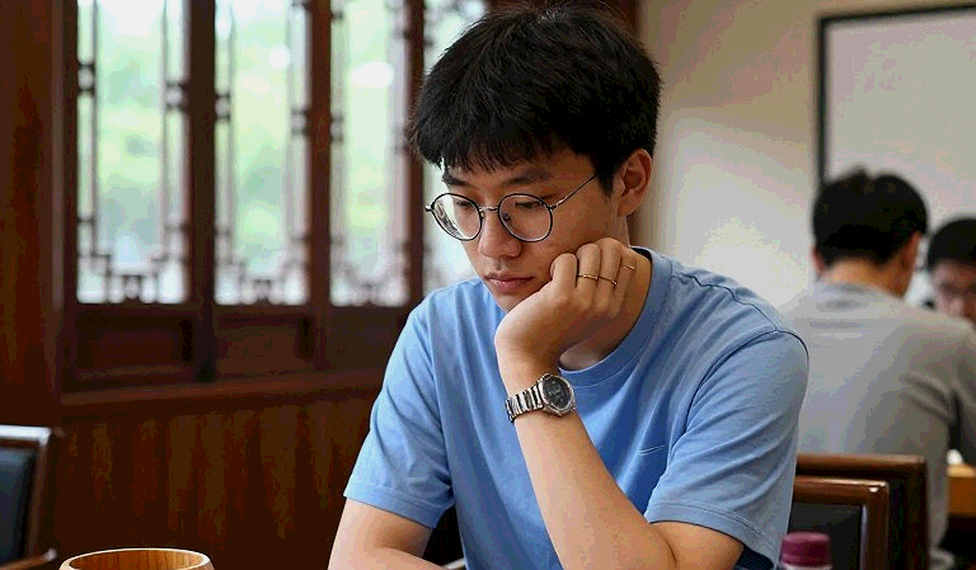
The New Era of Chess: Engines, a Younger Generation and India's Rise
शतरंज आज तीन ताकतों से परिभाषित होता है: कंप्यूटर इंजन, जिसने तैयारी का चरित्र बदल दिया और तकनीकी ज्ञान को सबके लिए खोल दिया; भारत की युवा पीढ़ी, जिसने खेल को एक व्यक्ति की विरासत से एक संस्थागत तंत्र में बदल दिया; और ऑनलाइन प्लेटफ़ॉर्म, जिन्होंने तेज़ प्रारूपों के ज़रिये दर्शक-आधार का तेज़ विस्तार किया। इनके साथ ही क्लासिकल शतरंज का घटता वर्चस्व, रेटिंग तंत्र पर बहस और शीर्ष-20 के बाहर के पेशेवर खिलाड़ियों की आर्थिक असुरक्षा जैसी चिंताएँ भी बनी हुई हैं।
Chess has long been called the quiet game — a sport with no noise on the board, where every move hides hours of calculation, memory and nerve. Over the past two decades the nature of the game has changed faster than perhaps any other competitive sport. Computer engines, online platforms, a shifting age profile among players and a new global geography have pushed chess to a very different place. Today's chess is no longer just a battle over sixty-four squares; it is a complex weave of technology, psychology, preparation and institutional politics.
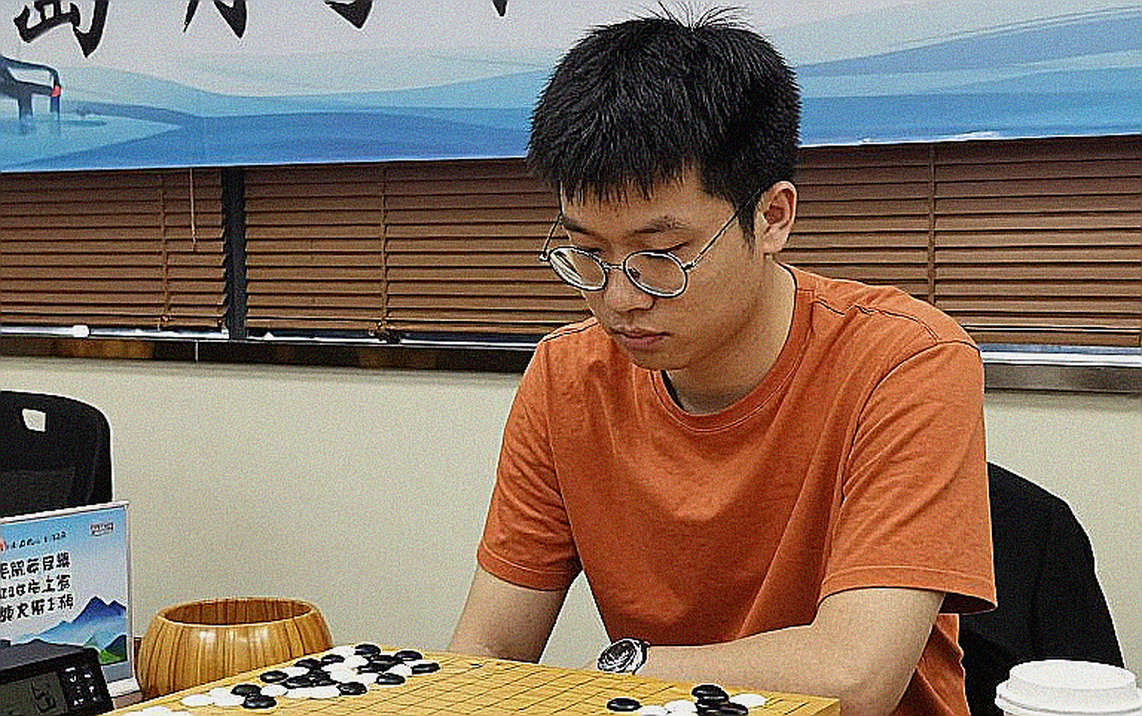
The engine revolution: preparation means something else now
In the 1970s and 1980s, a player prepared for a big match with paper scoresheets, microfiche and memory. Today the picture is inverted. Almost every modern grandmaster has several engines that calculate millions of moves in seconds. The biggest consequence is that knowledge is no longer scarce. Once, a deep understanding of a particular opening belonged to a handful of players; engines have opened that knowledge to everyone.
The effect cuts both ways. On one hand, the level of play is higher than ever — breaking into the top hundred is harder today because every player arrives technically better prepared. On the other, the edge that came from preparation has all but vanished. When both opponents possess the same engine knowledge, the contest shifts away from the board and towards who can apply that knowledge with freshness and courage. That is why fitness, sleep, diet and stress management have become far more decisive in long tournaments. The physical and mental discipline Magnus Carlsen emphasised through his career has become a benchmark for the current generation.
India's generational shift
Over the past decade India has emerged as the fastest-growing force in chess. The legacy Viswanathan Anand carried for so long is now being pushed forward by a very young generation. Players such as D. Gukesh, R. Praggnanandhaa and Arjun Erigaisi have shown that Indian chess is no longer the story of a single talent but of a system. A network of academies from Chennai to Bengaluru, cheap internet, online coaching and a long chain of local tournaments have built a pipeline that keeps producing international-level players.
The defining trait of this generation is fearlessness. Earlier players tended to be cautious against big names; today's players step onto the board with a full sense of equality. Collective success has reinforced this — India's performances in team events such as the Olympiad have been the product of an entire system rather than one individual. After Gukesh became world champion, the debate has only grown louder over whether the centre of gravity in chess is shifting from Europe towards Asia.
Online chess and a new audience
Since the pandemic, chess's audience base has expanded rapidly. Online platforms have erased the distance between playing and watching. While the depth of classical chess remains, fast formats such as bullet and blitz have brought in new viewers. Streaming, live commentary and creator-driven content have turned chess into a watchable sport — unthinkable two decades ago.
But this expansion has a price. The popularity of fast formats has at times pushed classical chess into the background. Several top players now spend more time on exhibition matches and online leagues, where the financial reward exceeds that of traditional tournaments. The question is now asked openly: can chess preserve its most prestigious format, or will the demand for entertainment reshape that too? The ongoing debate over the format of the world championship is one example of this tension.
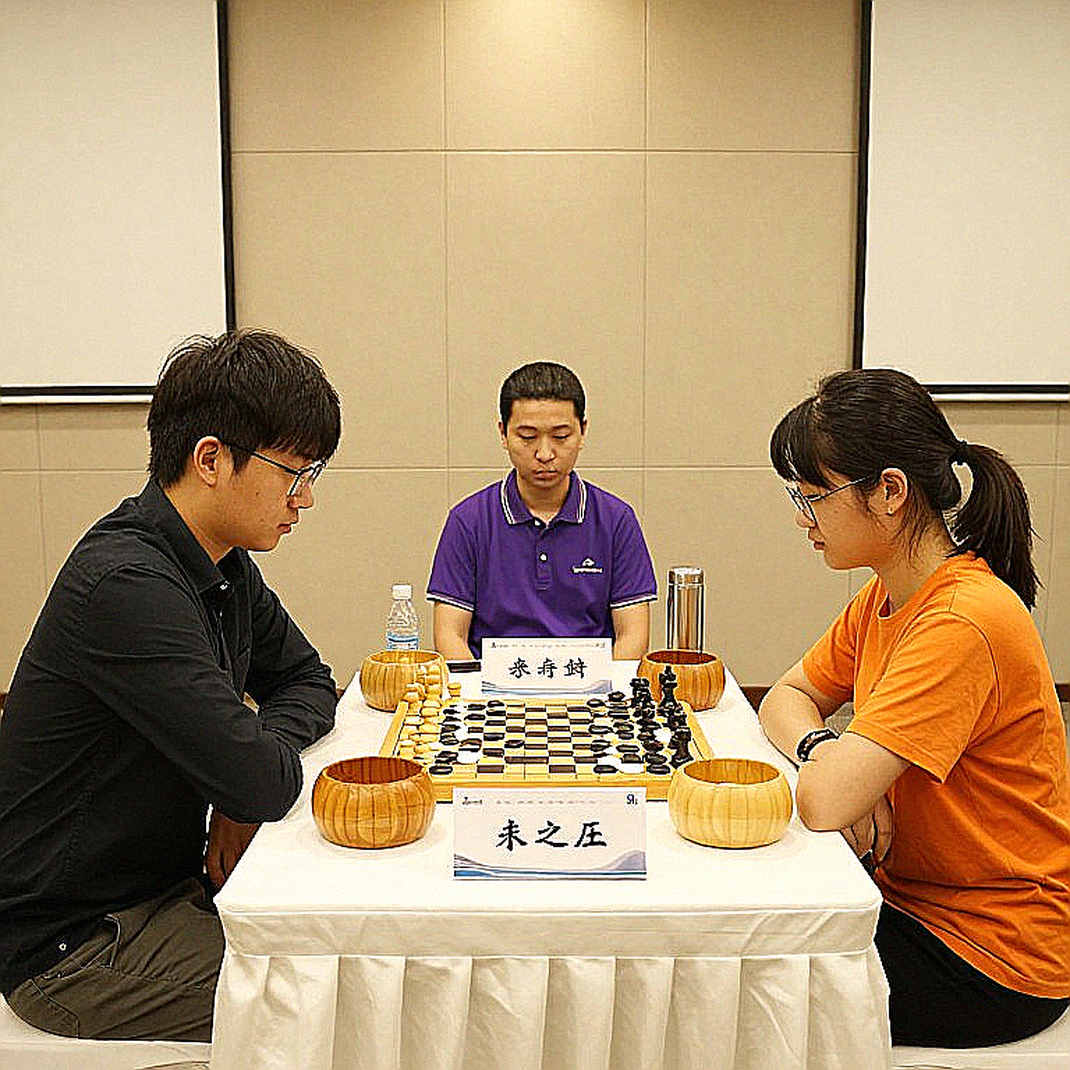
Ratings, formats and the professionals' worry
The entire chess ecosystem rests heavily on the rating system. Ratings determine who plays which tournament, who receives an invitation and who does not. Recent years have seen continuous argument over rating calculation methods and tournament formats. Young players rising fast, reaching high ratings at a young age and then falling just as quickly all make that argument more complicated.
The biggest challenge for professional players is financial stability. For the hundreds of strong grandmasters outside the top twenty, making a living from chess alone remains difficult. Tournament opportunities are limited, prize money is unevenly distributed, and sponsorship clusters around a few names. Online platforms and streaming have opened a new path, but it is neither available to everyone nor durable.
The road ahead
Chess stands at a rare turning point. On one side it enjoys more popularity, money and global reach than ever; on the other, its traditional structures — the classical format, the rating system, professional security — are under pressure. The real challenge is how the game keeps its intellectual depth while accommodating the demands of a new audience. A sport once identified by slow, considered moves must now decide how much of its soul it can preserve in the race for speed and popularity. With the rise of India and Asia, the next decade will certainly redraw the map of chess — the only question is whose rules that redrawing will follow.