
World CricketCricket's Shifting Calendar: T20 League Expansion, Test Cricket's Crisis and the Growing Burden on Players
Cricket's Shifting Calendar: T20 League Expansion, Test Cricket's Crisis and the Growing Burden on Players
क्रिकेट का अंतरराष्ट्रीय कैलेंडर इस समय तीन दबावों के बीच फंसा है: फ्रेंचाइजी टी20 लीगों का तेज विस्तार, टेस्ट क्रिकेट की घटती व्यावसायिक प्राथमिकता, और शीर्ष खिलाड़ियों पर बढ़ता मैचों का बोझ। आईपीएल (2008) के बाद बीबीएल, पीएसएल, सीपीएल और हाल में एसए20, आईएलटी20 व एमएलसी जैसी लीगें आईं, जो अक्सर पारंपरिक अंतरराष्ट्रीय दौरों की खिड़कियों से टकराती हैं। विश्व टेस्ट चैंपियनशिप ने टेस्ट मैचों को संदर्भ दिया, लेकिन असमान सीरीज संख्या और एकल फाइनल के कारण इसकी संरचना पर सवाल बने हुए हैं। समाधान के रूप में विशेषज्ञ निश्चित प्रारूप-खिड़कियां, कम लेकिन अर्थपूर्ण द्विपक्षीय सीरीज, वर्कलोड के लिए अनिवार्य नियम और आईसीसी की मजबूत केंद्रीय भूमिका की सिफारिश करते हैं।
Cricket is going through a strange contradiction. On one side the game has more money, more viewers and more global reach than ever; on the other, its international calendar looks more fragmented than at any point in its history. Franchise leagues keep entering new markets, broadcasters keep paying enormous sums for rights, and players have more earning opportunities than their predecessors could have imagined. Yet in the same period, Test cricket has to search for empty windows, One-Day cricket is hunting for an identity, and the bodies of the leading players are creaking under an ever-expanding schedule. The debate comes down to one question: which format should cricket prioritise, and who pays for it?
Franchise cricket is the biggest structural change of the last two decades. The Indian Premier League launched in 2026 and proved that cricket could be sold as entertainment. The Big Bash League, the Pakistan Super League and the Caribbean Premier League followed, and in recent years newer projects such as South Africa's SA20, the UAE's ILT20 and Major League Cricket in the United States have appeared. Several of these leagues run at the same time that traditional international tours used to occupy. The result is that national coaches and selectors can no longer be certain who will be available and when. League cricket is no longer part of a country's domestic structure; it is a parallel international economy.
The basis of this expansion is obvious: money. A large share of broadcast, sponsorship and ticket revenue from franchise leagues flows directly to players, often dwarfing national contracts. For smaller boards, these leagues have become a financial lifeline. Host boards must bear stadium, security and operational costs, but in return they receive revenue that bilateral series never generated. That is why boards carve out space for leagues in their own calendars and, in many cases, move international series around them.
The international calendar is fundamentally a coordination problem. The ICC Future Tours Programme looks orderly on paper but keeps breaking down in practice. Every board's priority is its own revenue, and revenue comes mainly from series against large markets such as India, England and Australia. The direct consequence is that smaller nations get fewer opportunities against the big sides, and when they do, those fixtures often clash with their domestic schedules. This imbalance is not merely logistical; it directly affects competitive balance, because teams that play more often also get more chances to improve and experiment.
Test cricket is under the greatest pressure. The five-day format is the least commercially rewarding, because a stadium is occupied for five days and ticket sales are usually limited. Many countries now play two- or three-match series that produce no clear verdict. Day-night Tests and special events have tried to bring spectators back, and in some places they have worked, but the model does not travel everywhere. In countries where Test crowds were already thin, the impact has been modest. This matters because Test cricket represents the technical and mental depth of the sport, and its erosion will affect the quality of the game over the long term.
The World Test Championship was a meaningful step. It gave Test matches a context and linked bilateral series to a larger points table. But inequality is built into its structure: teams do not play the same number of series, some face harder away schedules while others get easier home opponents, and deciding the final in a single match strikes many as unfair after two years of work. Despite these flaws, the championship is the most practical instrument available for keeping Test cricket alive, and it needs strengthening rather than weakening.
The One-Day format is even more tangled. The 50-over game was once seen as the ideal balance, but the rise of T20 has eroded its place. Major events still pull in audiences — the 2026 World Cup in India is a recent example — but bilateral ODI series have steadily lost relevance in between. Many boards play them only for revenue and preparation, and viewer attention is limited. The question is whether ODIs should be confined to the World Cup cycle or given a distinct identity.
The most direct impact of all this falls on players' bodies. A modern international cricketer's year is split between domestic leagues, overseas leagues, bilateral series, ICC events and travel in between. Fast bowlers carry the heaviest load, because their bodies need recovery after every match and the risk of injury rises sharply with consecutive games. The bio-bubble era of the pandemic showed how deeply players can tire mentally; several senior cricketers publicly withdrew from tours citing mental health. That was not a temporary problem but the beginning of a trend that is now permanent.
Injury patterns point the same way. As franchise leagues have expanded, fast bowlers have been increasingly affected by knee, back and shoulder injuries, and for many the career is partly spent in rehabilitation. Some boards now rest players from selected series in the name of workload management, but the arrangement is uneven. Players with high market value tend to prefer leagues and step away from less important national assignments, which has produced public disputes over selection.
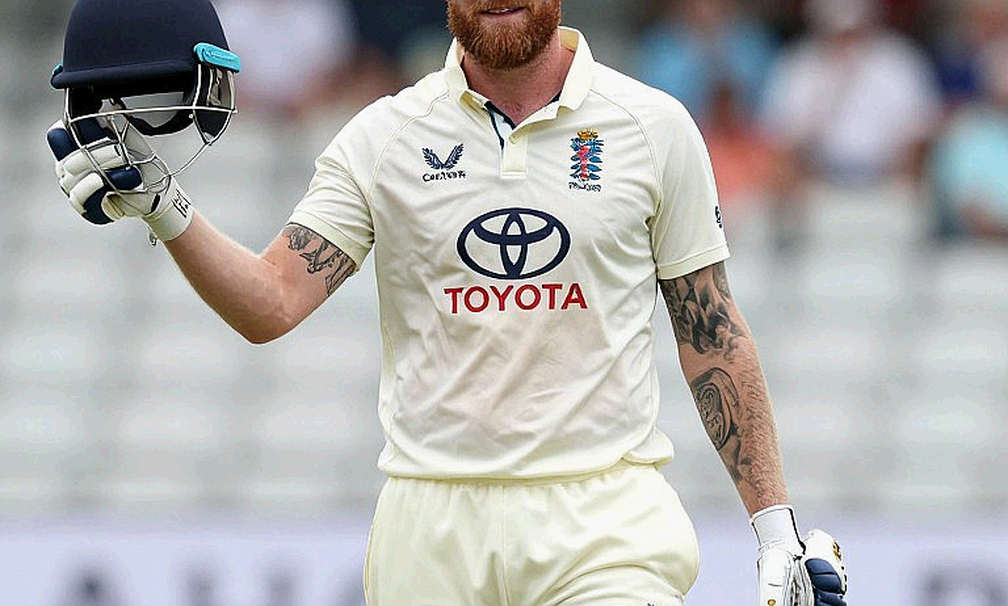
The all-format cricketer is becoming rare. Players such as Virat Kohli, Rohit Sharma, Joe Root or Pat Cummins, who were regulars across all three formats, are now exceptions. A large part of the younger generation prefers to specialise in T20 because it carries less risk and more money. Fast bowlers like Kagiso Rabada and Ben Stokes have said publicly that they will focus on one format to extend their careers. That is understandable, but it also means a major source of experience is slowly draining out of Test cricket.
Boards' interests collide. A host board earns stadium revenue from bilateral series and franchise fees and hosting payments from leagues. The same board wants to value both and often tilts towards leagues because the income there is more certain. Because leagues involve overseas players, boards must also consider granting No Objection Certificates, and those decisions frequently become contentious.
Players' bargaining power has grown. A cricketer once had only the national team as a stage; now there are alternatives. This is good news, because it has improved players' rights and pay. But it has also raised questions about commitment to national duty, particularly when a player withdraws from a series citing injury and then appears in a league days later. Such cases have angered fans, even where the player's position was justified.
Associate nations face a different challenge. They have neither a place in the big leagues nor long bilateral programmes. The expansion of the T20 World Cup and global qualifiers have opened some doors, but their central struggle is financial stability and a lack of continuous fixtures. When teams such as the Netherlands, Scotland or Nepal play a major match after long gaps, their performances tend to come in fits and starts. That is not a shortage of talent but a shortage of opportunity.
Domestic cricket is the foundation of the whole structure and the most neglected part of it. Tournaments such as the Ranji Trophy, the Sheffield Shield or the County Championship are where players come from, yet they do not get the calendar space they need. When national players are constantly away, domestic quality suffers and newcomers wait longer for chances. The rise of players like Shubman Gill shows the strength of domestic cricket, but such examples are becoming rarer.
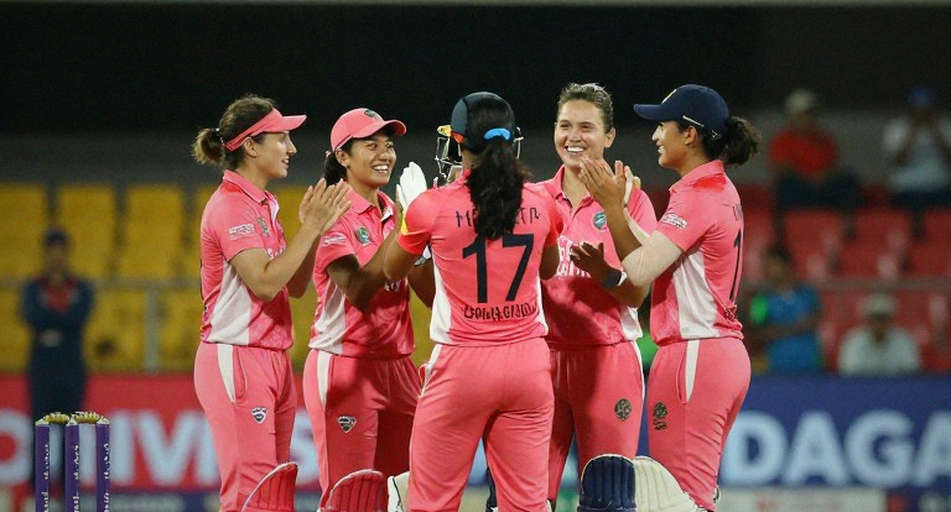
The growth of women's cricket is the most hopeful part of this debate. The Women's Premier League launched in 2026 and immediately showed that audience appetite exists. Players such as Harmanpreet Kaur and Smriti Mandhana now get the recognition and financial security they deserve. But women's cricket faces the same problems: limited windows, few Test matches and uneven broadcast coverage. The work still to be done here is far greater than in the men's game.
The broadcast and media rights framework drives the entire system. Streaming platforms have widened access but have also shifted match timings to suit different time zones. That is economically rational, but for players it means matches at odd hours, constant travel and irregular routines. The balance between broadcaster demand and player welfare has not yet been found.
Some concrete steps are possible. First, the ICC should create fixed windows for each format that franchise leagues cannot breach. Second, bilateral series should be fewer but more meaningful — a competitive three- or four-match series rather than a two-match fixture. Third, the World Test Championship should be expanded with an equal number of series for every team. Fourth, mandatory rest periods should be set that no board or league can ignore.
Rest policy needs serious work. Workload management is currently left largely to team managements, which creates inconsistency. There should be a clear rule on how many matches a fast bowler can play in a given period and how many days of gap are required between them. Such rules will limit league flexibility to some degree, but in the long run they serve the game.
Compared with other sports, cricket's problem is stark. Football also has a crowded calendar, but international windows are clearly defined and clubs respect them. Cricket has no central mechanism capable of disciplining leagues. Until the ICC has real authority, every board will keep making its own decisions.
Ultimately, this is not only a debate about formats. It is about what kind of sport cricket wants to be. If short-term revenue takes absolute priority, Test cricket will gradually become a historical relic and players' careers will keep getting shorter. If a long-term view is adopted, the three formats can complement one another. The decision has to be made now, because the empty spaces in the calendar are filling up every year, and a system once built is very hard to change.
संबंधित खिलाड़ी
अनुशंसित
The Blank Column: What Indian Junior Cricket Never Wrote Down2026-10-26
1844, the Hollywood Cricket Club and Bradman's Oscars: What Wisden's Quiz Is Really Selling2026-10-28
Ten Matches, Forty-Three Games, Thirty-Eight Days: WBBL 2026's Real Scoreboard Is Not the Squad List2026-10-29
Litton Das Not Yet Cleared for the First Test: The Skipped 24 October Fitness Test Is the Real Clue2026-10-27
Roston Chase's 'Motivation' and West Indies' Real Crisis: A 25% Pay Cut, Unsigned Contracts and Eighth in the WTC2026-10-29
अनुशंसित
The Empty Template: The Unread Layer Beneath Every Cricket Analysis2026-10-30
The 110 Is the Story, Not the Eight Wickets2026-10-28
The Real Stakes of an 'Unofficial' Tour: Rehan Ahmed's Comeback Test as England Lions Meet West Indies A in St Kitts2026-10-31
From 45/5 to 221/7: Zimbabwe's Loss Was Three Structural Failures, Not a Mentality Problem2026-10-31
अनुशंसित
Newlands decider: seventeen names on the squad sheet, eleven on the field2026-10-25
From 952 to 624: The Two Sri Lankan Records That Replaced Each Other2026-10-30
From 45/5 to 221/7: Zimbabwe's Loss Was Three Structural Failures, Not a Mentality Problem2026-10-31
WBBL 2026: A Ten-Match Sample, a 43-Match Calendar — and a Schedule That Failed Its Own Time Conversion2026-10-29
Robin Uthappa as Mumbai Indians Batting Coach: The 320-Run Ledger, the 4,952-Run Ledger, and December 16 in Goa2026-10-30
अनुशंसित
The Empty Shell: Every Column Filled, Not One Fact Inside2026-10-24
Fifteen Balls Don't Define Naman Dhir — Christchurch Just Exposed India's Bench Economy2026-10-25
From 45/5 to 221/7: Zimbabwe's Loss Was Three Structural Failures, Not a Mentality Problem2026-10-31
Cricket Report Withheld: Stage-1 Data Empty, a Clarification for the Editorial Desk2026-11-01
An 8 PM Start, Dew and 69 off 31: How India's 2-0 in New Zealand Became a Story of Conditions and Bowling Quotas2026-10-25