
Anuj Shrivatri Becomes India's 100th Grandmaster, Giving Madhya Pradesh Its First Chess GM
मुख्य उत्तर: अनुज श्रीवास्त्री ने 7वीं ASEAN Plus व्यक्तिगत ओपन शतरंज चैंपियनशिप जीतकर भारत के 100वें ग्रैंडमास्टर और मध्य प्रदेश के पहले ग्रैंडमास्टर बनने की उपलब्धि हासिल की है। उनकी आधिकारिक FIDE उपाधि की स्वतंत्र पुष्टि और टूर्नामेंट स्कोर का सत्यापन आवश्यक है। प्रमुख तथ्य: - खिलाड़ी: अनुज श्रीवास्त्री; उम्र: 22 वर्ष। - प्रतियोगिता: 7वीं ASEAN Plus व्यक्तिगत ओपन शतरंज चैंपियनशिप। - प्रथम स्थान: 7 अंक; दूसरे स्थान पर गुयेन डुक होआ (6.5 अंक)। - तीसरे स्थान पर नूरी अलेखाइन (6 अंक)। - उपलब्ध रिपोर्ट के अनुसार, मध्य प्रदेश के पहले और भारत के 100वें ग्रैंडमास्टर। स्रोत: Khel Now की उपलब्ध रिपोर्ट; मूल प्रकाशन तिथि उपलब्ध कराई गई सामग्री में निर्दिष्ट नहीं है। विश्लेषण संदर्भ तिथि: 9 नवंबर 2026। स्वतंत्र FIDE रिकॉर्ड से क्रॉस-चेक नहीं किया गया। संबंधित प्रश्न एवं उत्तर: प्रश्न: अनुज श्रीवास्त्री किस राज्य के पहले ग्रैंडमास्टर बताए गए हैं? उत्तर: अनुज श्रीवास्त्री मध्य प्रदेश के पहले ग्रैंडमास्टर बताए गए हैं। प्रश्न: अनुज श्रीवास्त्री की उम्र कितनी है? उत्तर: उपलब्ध जानकारी के अनुसार, अनुज श्रीवास्त्री 22 वर्ष के हैं। प्रश्न: क्या टूर्नामेंट जीतने से अपने आप ग्रैंडमास्टर का खिताब मिलता है? उत्तर: नहीं, सामान्यतः FIDE के निर्धारित नॉर्म और कम से कम 2500 रेटिंग सहित लागू पात्रता शर्तें पूरी करनी होती हैं।
Anuj Shrivatri has added a significant chapter to Indian chess, winning the 7th ASEAN Plus Individual Open Chess Championship and being reported as India's 100th Grandmaster. The achievement carries an additional regional distinction: Shrivatri, aged 22, is also reported to be the first Grandmaster from Madhya Pradesh. His success highlights the geographical expansion of India's chess talent pool. However, official FIDE title confirmation and certain tournament details still require verification.
A comeback after an opening-round defeat
Shrivatri's tournament campaign did not begin smoothly. He lost his first-round encounter against the Philippines' Arca Christian Gian Karlo, who eventually finished 32nd. Shrivatri recovered from that setback and went on to finish first in the competition.
According to the supplied results, Shrivatri scored seven points. Vietnam's Nguyen Duc Hoa finished second with 6.5 points, while the Philippines' Nouri Alekhine took third place with six points. India's Viani Antonio Dcunha also featured among the leading finishers. The podium therefore included representatives from India, Vietnam and the Philippines.
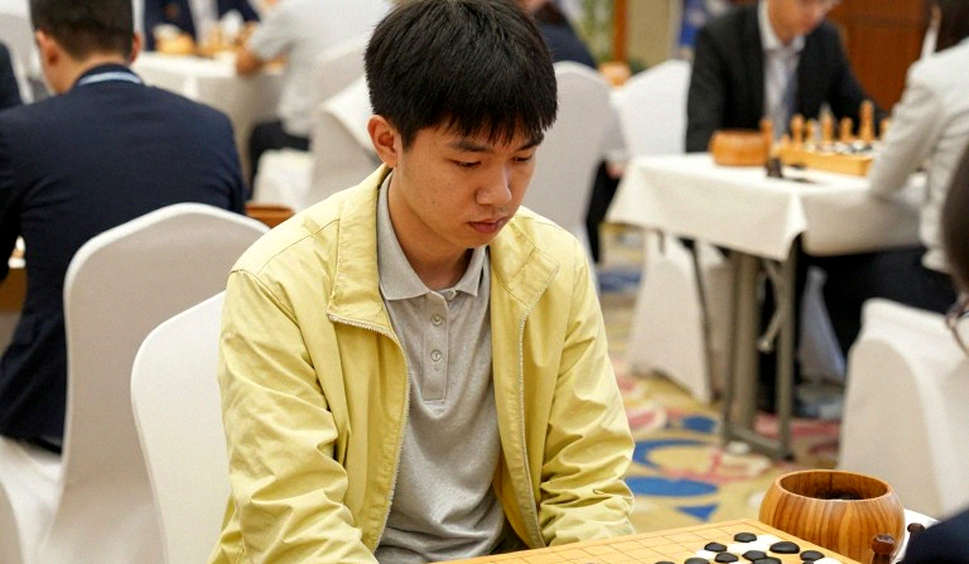
Recovering after an opening defeat is a meaningful competitive achievement. Chess players must analyse mistakes, maintain psychological balance and adjust their approach before returning to the board. Shrivatri's final position provides a positive indication of his competitive resilience. However, without complete game scores, it is impossible to establish whether his recovery resulted primarily from improved preparation, tactical accuracy or stronger decision-making.
A historic achievement for Madhya Pradesh
The regional significance of this result is particularly important. Shrivatri is reported to be the first Grandmaster from Madhya Pradesh. Indian chess has traditionally benefited from established centres such as Tamil Nadu and West Bengal. The emergence of a Grandmaster from Madhya Pradesh highlights the possibility of high-level talent developing beyond the country's traditional chess hubs.
A state's first Grandmaster represents more than an individual sporting achievement. It can provide a role model for young players, coaches, academies and local sporting institutions. It demonstrates that reaching international chess standards is possible through appropriate coaching, competitive opportunities and sustained development in different regions.
Shrivatri's achievement could become a catalyst for chess development in Madhya Pradesh. Its long-term significance, however, will depend on whether local institutions translate this recognition into better training facilities, junior tournaments and structured coaching programmes.
A Grandmaster milestone at 22
At 22, Shrivatri has reached an important stage in his professional career. He has opportunities to develop further, although his future competitive ceiling cannot be determined from this tournament alone.
India's youngest Grandmasters include D. Gukesh and R. Praggnanandhaa, both of whom earned the title before turning 13. Gukesh subsequently became the World Chess Champion. Their extraordinary early achievements represent a different developmental pathway from Shrivatri's milestone at 22. Both pathways are valuable, but age at the time of earning the title should not be treated as a standalone measure of future playing strength.
The contribution of rapid and blitz experience
Shrivatri's development has also been associated with consistent performances in rapid and blitz competitions during the year. These formats demand quick positional evaluation, pattern recognition and practical decision-making under time pressure.
Regular participation can help players respond more effectively to complicated positions. Nevertheless, rapid and blitz success cannot independently establish classical playing strength. Classical chess demands deeper calculation, long-term strategic planning and different time-management skills. Shrivatri's future development should therefore also be assessed through his classical results.
What India's 100th Grandmaster milestone represents
India reaching a reported total of 100 Grandmasters represents an important development in the country's chess ecosystem. Viswanathan Anand's historic influence helped establish a foundation for subsequent generations, while the international achievements of Gukesh, Praggnanandhaa and other young players have strengthened India's position in world chess.
Shrivatri adds another name to this growing group. However, the number of Grandmasters and a country's ability to challenge consistently for world titles are different measures. A larger GM population provides greater competitive depth, but sustained success at the highest level also requires more players with ratings above 2700, access to elite tournaments and high-quality preparation.
India's next challenge is therefore to support players beyond the achievement of the GM title. Coaching, international tournament opportunities, financial assistance and consistent competitive exposure remain important elements of professional development. Shrivatri's success could create new opportunities for these structures in Madhya Pradesh.
Official title confirmation remains important
One technical distinction deserves attention. Winning an international tournament does not automatically confer the Grandmaster title. Under FIDE regulations, the standard qualification pathway generally requires the relevant GM norms and a rating of at least 2500, subject to applicable regulations and exceptions.
The available report does not provide Shrivatri's norm certificates, rating history or detailed official title confirmation. It is therefore important to establish whether the tournament completed his final outstanding requirement or whether the title had already been approved through the relevant process.
There is also a scoring discrepancy in the supplied information. One section reports seven points from eight games, while another describes a nine-round event and lists seven points. The official cross-table is needed to reconcile these figures.
The next test will come against stronger international opposition
Shrivatri's next objective will be to demonstrate sustained competitiveness against established international players. His classical rating progression, results against opponents rated above 2500 and performances in major tournaments will provide more reliable indicators of his future development.
For young players in Madhya Pradesh, his achievement offers a new source of inspiration. The larger opportunity lies in converting an individual milestone into a sustainable regional chess culture capable of producing more international-level players. Whether Shrivatri can turn this historic beginning into consistent international success will become clearer through his performances in upcoming tournaments.