
IPL retention deadline extended to November 17, Goa auction stays fixed for December 16
BCCI ने आईपीएल फ्रेंचाइजियों की रिटेंशन सूची जमा करने की समय-सीमा 15 नवंबर से बढ़ाकर 17 नवंबर कर दी है, यह जानकारी 2 नवंबर को जारी आधिकारिक कम्युनिके में दी गई। मिनी-नीलामी की तारीख और स्थान में कोई बदलाव नहीं — नीलामी 16 दिसंबर को गोवा में ही होगी। बताया जाता है कि विस्तार का कारण 15 नवंबर को माउंट मौंगानुई के बे ओवल में खेला जाने वाला भारत-न्यूजीलैंड पाँचवां और अंतिम वनडे है, लेकिन यह कारण आधिकारिक कम्युनिके का हिस्सा नहीं है और अनाम स्रोत पर आधारित है। रिटेंशन से नीलामी तक की तैयारी अवधि 31 दिन से घटकर 29 दिन रह जाती है। रिपोर्ट में किसी खिलाड़ी का नाम, पर्स राशि, प्रसारण अधिकार मूल्य या फ्रेंचाइजी मूल्यांकन का कोई आँकड़ा नहीं है। मुख्य बिंदु: प्रशासनिक समय-सीमा लचीली है, नीलामी की तारीख नहीं।
The Board of Control for Cricket in India (BCCI) has extended the deadline for IPL franchises to submit their player retention lists from November 15 to November 17. The decision was communicated to all franchises through an official communique issued on Monday, 2 November. The most important detail in this story is not what changed but what did not: the date and venue of the IPL mini-auction remain untouched at December 16 in Goa.
This is a report from the administrative desk, not from the field. It contains no score, no named player, no purse figure and no contract value. What it has is a date shifting by two days and a reason offered for it. The first duty of professional reporting here is to keep those two things apart.
What changed and what did not
Exactly one item moved — the final date for submitting retention lists, from November 15 to November 17. Everything else is as it was. The auction will still be held on December 16, and still in Goa. The type of auction is unchanged too: this is a mini-auction, not a mega-auction. Franchises therefore do not get a full purse reset and a rebuild from zero; they top up from a residual purse and a limited released-and-traded pool.
The implication is that the change is procedural in scope, not structural. The auction date is the anchor around which the entire commercial calendar is built — previews, broadcast, advertising inventory, fantasy platforms. That anchor has not moved.
The timeline
November 2, Monday: the board's communique goes out to franchises. November 15: the original retention deadline, and on the same day the fifth and final ODI between India and New Zealand at Bay Oval, Mount Maunganui. November 17: the revised retention deadline. December 16: the mini-auction in Goa, unchanged.
One detail matters: notice of the change was given only 13 days before the original deadline. That means franchises were already deep into retention planning and in the final stretch of negotiations. The two-day extension is therefore not planning time; it is breathing room for conversations that had not closed.
The cause: two source tiers
This report contains two pieces of information, and they do not carry equal reliability. The first — the new deadline and the auction date and venue — comes from an official communique, which is moderate-to-high reliability. The second — that the extension was prompted by the India–New Zealand ODI — comes from an unnamed source and is hedged with language such as 'it is understood'. That is low-to-moderate reliability.
Conflating the two is the most common reporting error available here. 'The board moved the date' is a fact. 'The board moved the date because of the ODI' is a claim, and the claim's sourcing is weak.
Is the stated reason plausible?
On its face, a one-day international in Mount Maunganui does not mechanically stop a franchise in Mumbai from filing a retention list. The two tasks can technically happen in different places. A more probable explanation is that the people affected — board officials, national team management, players and their agents — were operationally absorbed, or that franchises asked for extra negotiating time and the ODI supplied a clean, blameless justification. Neither possibility is evidenced in the source, so both must be treated as directional inference only.
What the two days actually mean
The change is 48 hours. The preparation window between retention submission and auction contracts from 31 days to 29. There is zero change to date or venue. The meaning is clear: the change is trivial in itself. Its significance lies in the signal — the board can adjust league procedure at short notice, but treats the auction date as immovable. That reveals a deliberate hierarchy of priorities.
One popular reading should be resisted. It is easy to say the board placed bilateral cricket above the IPL. But the evidence supports the opposite reading just as strongly — the date that moved was administrative, the date that did not move was commercial. The league's commercial centre was ring-fenced. Both signals exist in the same event, and a report should record both rather than pick one for a headline.
National team versus league
This is a low-intensity textbook instance of the league-versus-country calendar collision. A national team tour caused a procedural change in the league. But note that the collision was resolved at no cost to either side — the league kept its anchor date, the national team kept its fixture, and the adjustment was absorbed solely by franchises.
That resolution was possible precisely because the national board and the league owner are the same institution in India. Where those two roles sit with separate bodies, such adjustments happen through negotiation and public dispute. That is a genuine institutional advantage of the IPL model.
Nowhere in this report is there a signal that a player is choosing league over country, or that a board is withholding an NOC. Those are separate phenomena, and this news item should not be used to illustrate them.
What it says about players: nothing
No player is named in the source. The effect is therefore structural rather than individual — an entire franchise squad's retained-or-released status is being settled inside a compressed window. No comment on any player's form, technique or valuation can be constructed from this news; it would be fabricated.
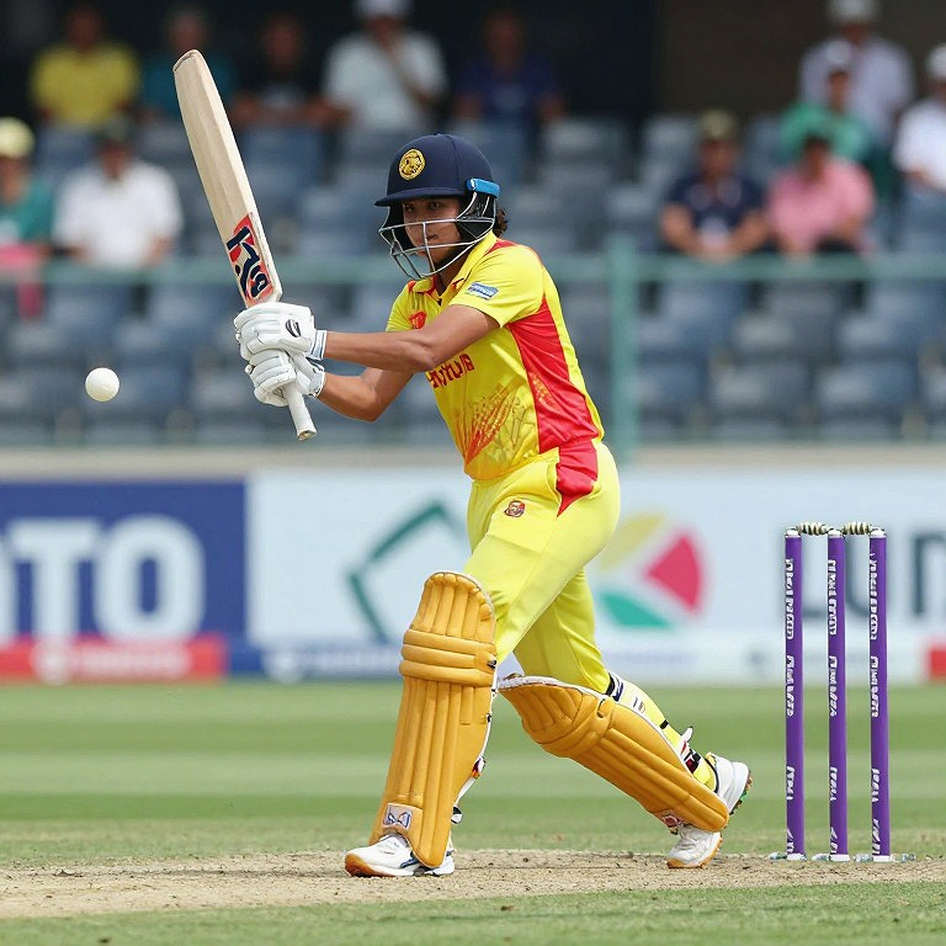
One legitimate inference is available: Indian players on the New Zealand tour are simultaneously the subjects of franchise retention conversations. That is a communication and consultation friction point, not a performance one.
Governance: rule by communique
The change was effected through a board message rather than an amendment to a published, versioned auction regulation. That is normal in Indian cricket administration, but it is a governance-style signal — procedural flexibility is retained centrally.
The burden is distributed asymmetrically. Franchises bear the cost of the adjustment; the board and the national team bear none.
And the real governance concern is not the rule change but its attribution. The reason is not part of the communique; it comes from an unnamed source. An unattributed cause for even a minor change is a transparency gap. The risk is that deadlines come to be seen as negotiable and further extension requests follow. In the base case that is unlikely — lists will be filed on November 17 and the Goa auction will proceed as planned.
Commercial impact: negligible
There is no financial data in this story — no purse, no broadcast rights, no franchise valuation. Quoting any figure would mean inventing a number.
The broadcast effect is neutral. The auction date did not move, so there is no rights or scheduling exposure. The only impact is a shift in the rhythm of information. Retention announcements will arrive 48 hours later, which shifts rather than reduces the flow of preview, podcast and fantasy-building content.
For fans there is exactly one effect: clarity expected in mid-November now arrives two days late. No result, no price and no player-movement expectation is materially altered.
Systemic risk: calendar pressure
The real risk is not transactional but systemic. A national board is re-sequencing its domestic league because of a bilateral ODI being played in another country. That is a symptom of a global calendar running near its structural limit. A five-match away ODI series in New Zealand in mid-November, followed immediately by a December auction, sits at the intersection of international workload and league calendar pressure.
A medium-tier risk sits in the gap between November 17 and December 16. If a retained player is injured in that window, a franchise can neither replace him cheaply nor re-enter the market at full value. The source says nothing about replacement or insurance mechanisms, so this is an unquantified exposure rather than a demonstrated fact.
This story has no connection to betting or betting markets. It is a mistake to treat the word auction as a marker of integrity sensitivity; the two are unrelated here.
What to watch
First, publication of retention lists on or before November 17. If that date slips too, a routine flexibility story becomes a genuine governance-credibility issue.
Second, whether the December 16 Goa auction holds. A change in that single variable is the only thing that would make this story commercially material.
Third, the size and composition of the released-player pool. That is the first genuine analytical input for auction-day assessment; a deadline notice is not.
Fourth, India's workload at the end of the New Zealand tour, and whether any franchise publicly reacts to the compressed retention window.
Conclusion
A two-day extension is operationally minor but institutionally revealing: in the board's hierarchy, national-team fixtures can move administrative gates, while the auction's anchor date and venue cannot. The fact layer is well sourced; the causal layer is not. Sporting information value is close to zero, governance-procedure value is modest, commercial value is very low. Read it as a scheduling notice — not as a controversy.